Licensed Contractor
AZ License #345009 is on every invoice and every truck. This isn't a handyman referral. Chase holds a Specialty Dual classification that covers residential and commercial scope.
Fill this out and we'll follow up within one business day. No pressure, no upsells.
A hidden water leak doesn't sit still. It moves through walls, soaks into your foundation, and quietly drives up your water bill while you're none the wiser. The most reliable way to detect a water leak accurately is with acoustic listening equipment and thermal imaging, not guesswork and a jackhammer. At Max Plumbing LLC, that's exactly how we do it. We locate the leak, show you what we found, and give you a clear plan before any repair work starts. Call (480) 353-8080 and we'll get someone out to you fast.
Leak detection costs vary significantly depending on how accessible the pipes are, whether the leak is under a slab or inside a wall, and how far it's traveled from the source. Simple under-sink or exposed pipe leaks are straightforward. Slab leaks in the Phoenix metro, where calcium-heavy water accelerates pipe corrosion, can require more time and specialized equipment. Market rates for professional leak detection across the region typically run from a few hundred dollars up to $1,500 or more depending on scope. Every job is different. Contact Max Plumbing LLC for an accurate estimate.
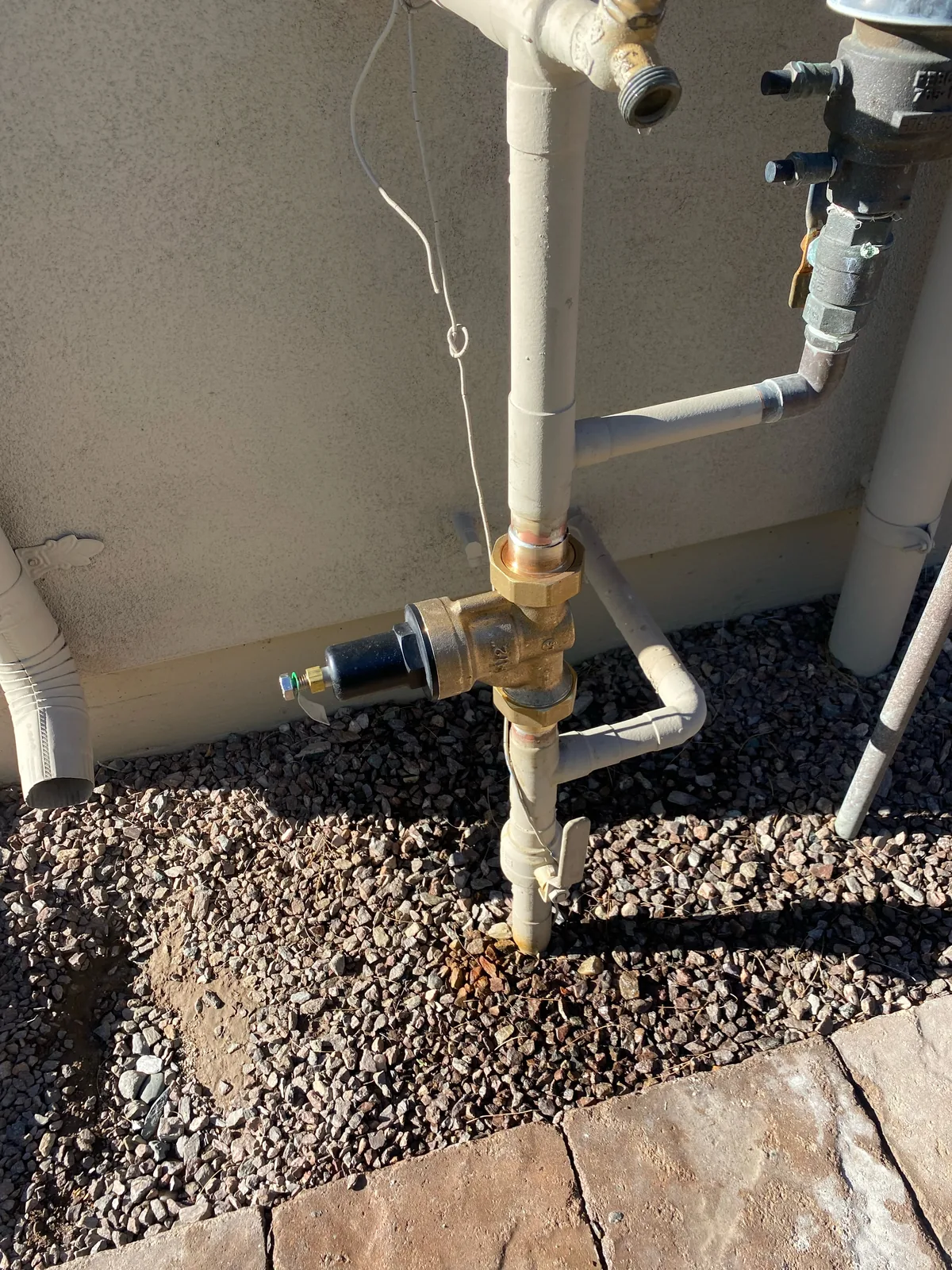
leak detection work, professional service in Peoria, AZ
Your water bill spiked and nothing changed in your routine. You hear water running at 2am when every tap is off. There's a soft spot in your drywall, a warm patch on your floor, or a musty smell coming from a cabinet. Any one of these is worth a call. All of them together means stop waiting. Arizona's hard water leaves mineral deposits that accelerate pipe wear, especially in homes that haven't had a plumbing inspection in a few years. A slow leak under your slab can run for months before it becomes visible, and the same is true of a leaking shower valve hidden behind tile that quietly rots the framing before you ever see a stain. By that point, the water damage is already done. If you're also dealing with slow drains or backed-up lines, that could be a separate issue worth checking with a drain cleaning inspection at the same time.
leak detection work, professional service in Peoria, AZ
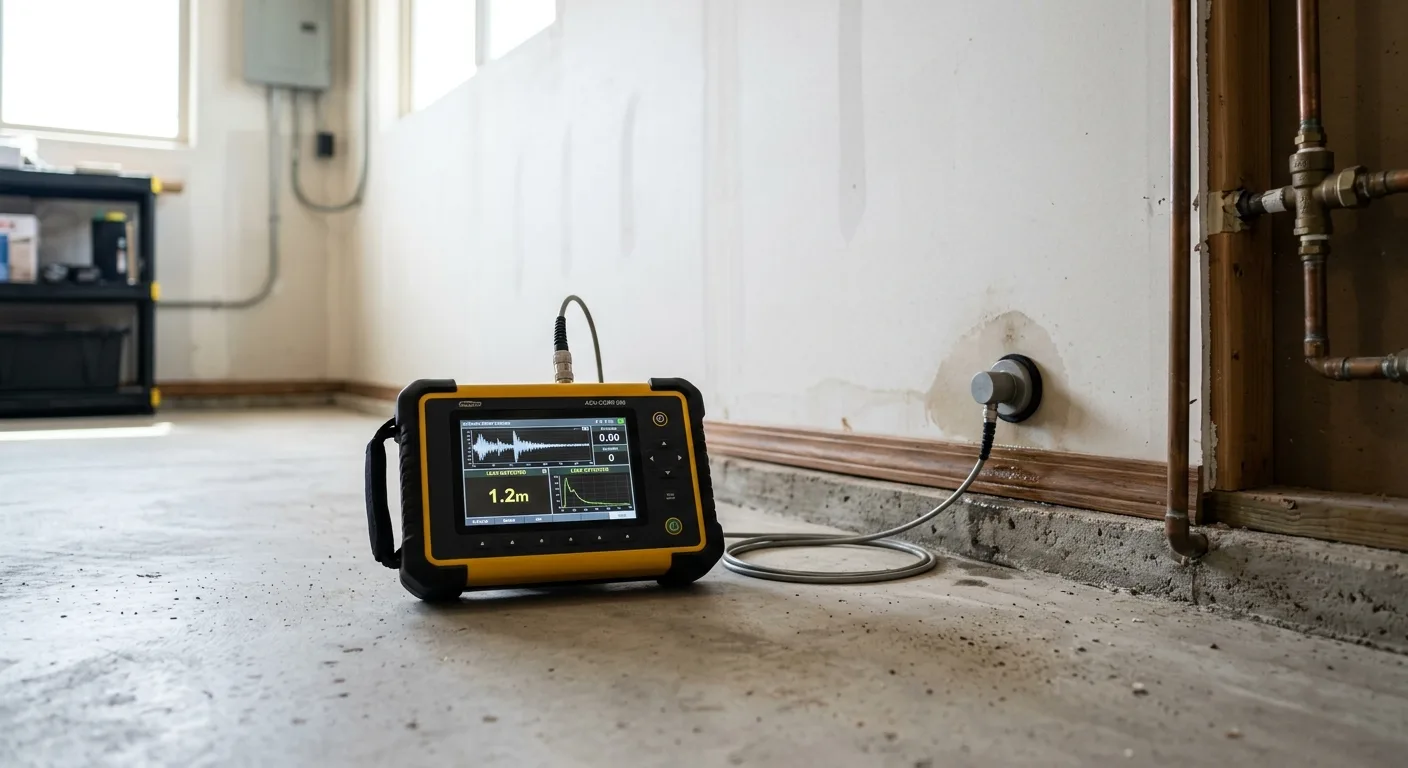
We don't cut holes in your walls hoping to find a leak. We use acoustic listening equipment to hear pressurized water escaping through pipe walls, which lets us pinpoint the location before we touch anything. For slab leaks, we combine that with thermal imaging to map temperature differentials that show us exactly where water is accumulating underneath. Once we know where the leak is, we tell you. You see the data, hear the explanation, and decide on next steps. No demolition until you've agreed to a repair plan. That's the process, every time. For commercial properties with more complex pipe layouts, our commercial plumbing diagnostic approach adjusts to the building's configuration.
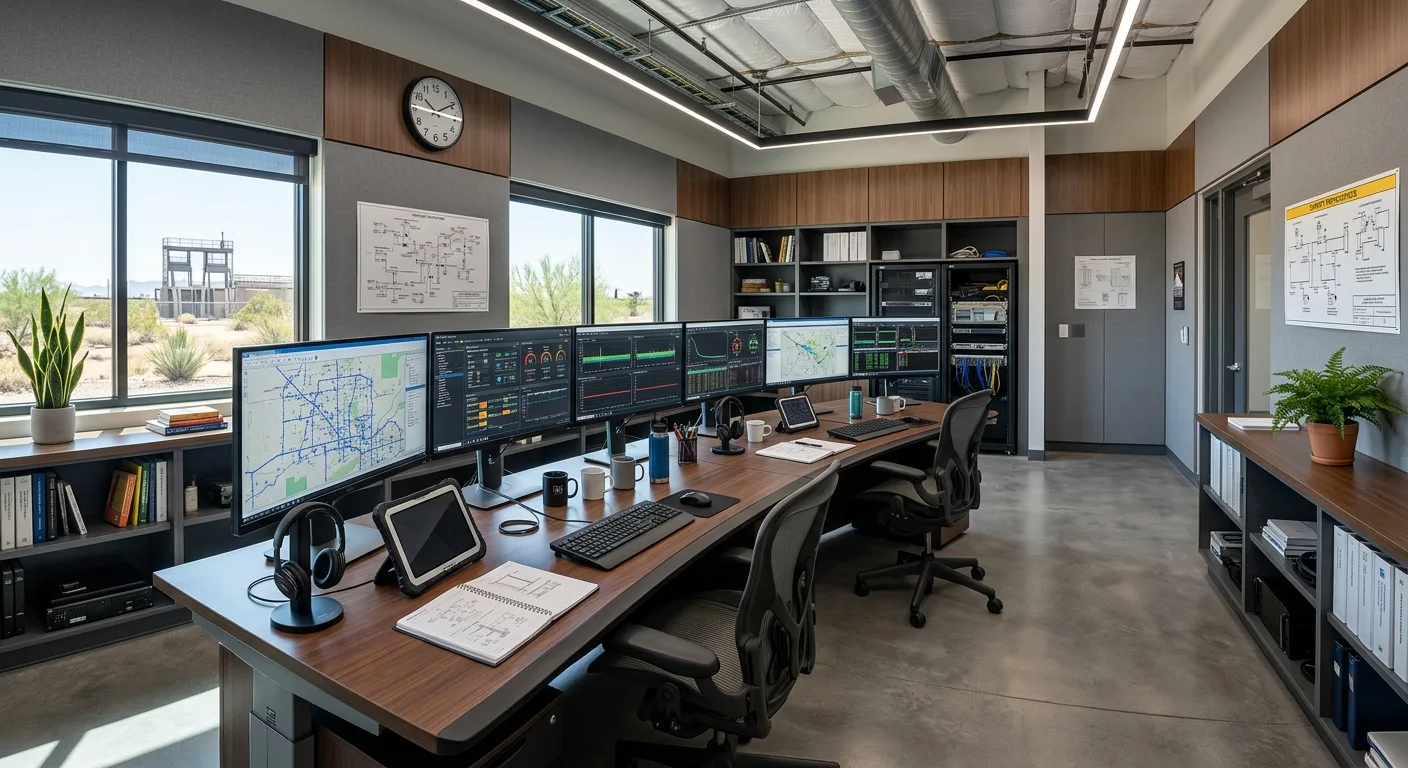
leak detection work, professional service in Peoria, AZ
Accessibility is the biggest factor. A leak on a visible supply line under a sink takes minutes to confirm. A slab leak 18 inches below a concrete floor in a finished room takes longer and requires more equipment. Pipe material matters too. Copper corrodes differently than PEX or CPVC, and each responds to acoustic testing in its own way. Older construction, unusual pipe routing, and multi-story layouts all add time. The leak's distance from the main line also affects how long we spend tracing it. Chase Rudders has seen enough of the West Valley's housing stock to know that what looks like a simple fix from the outside is sometimes anything but. We'll tell you the honest scope before we start.
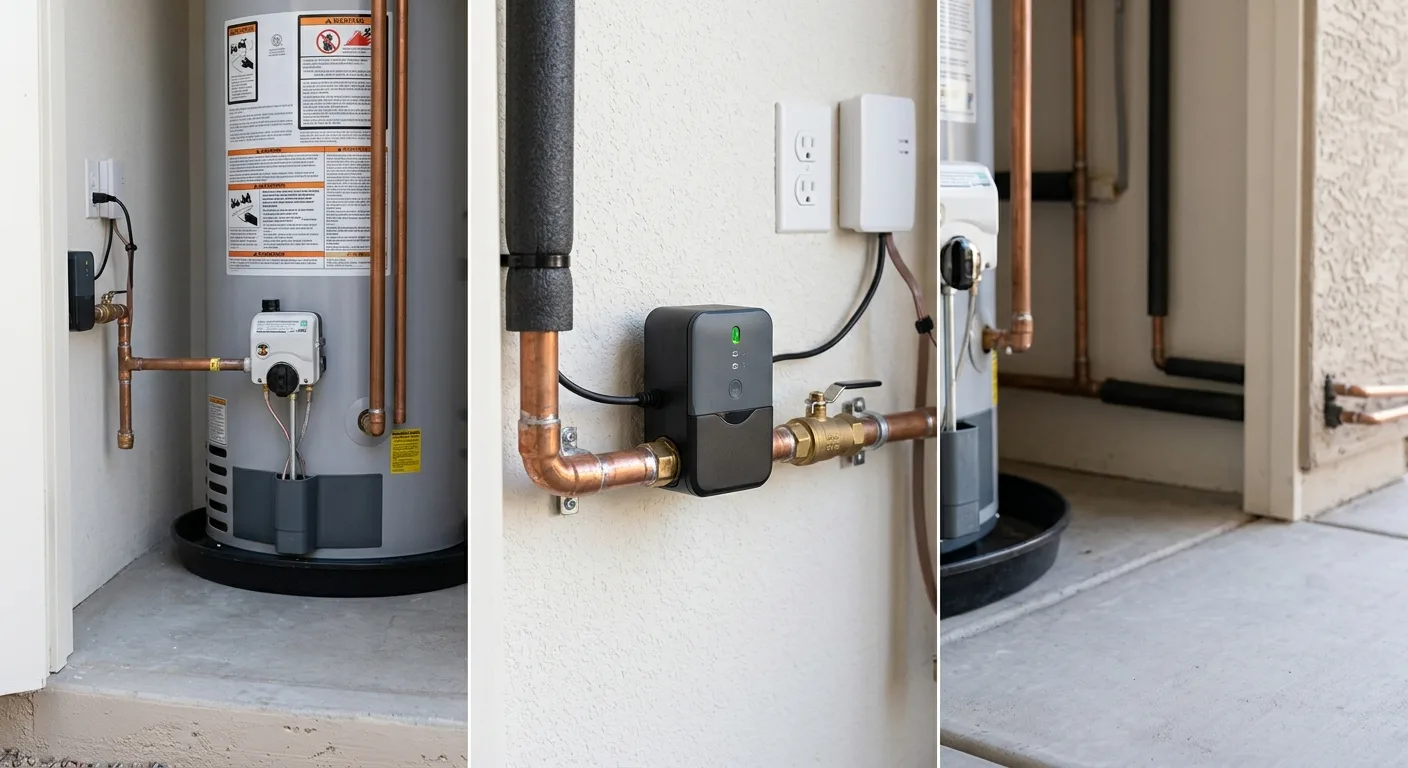
leak detection work, professional service in Peoria, AZ
If water is actively pooling, you've got visible pipe damage, or your water pressure dropped suddenly across the whole house, that's an emergency plumber call. Don't schedule it for next week. If your concern is an unexplained water bill increase, a suspicious damp spot that's been there for a while, or a neighbor who just found a slab leak and you want to get ahead of it, that's a scheduled detection appointment. Both situations are real. We handle both. What we won't do is upsell you on emergency rates for a problem that doesn't require them. If it can wait two days safely, we'll tell you that.
leak detection work, professional service in Peoria, AZ
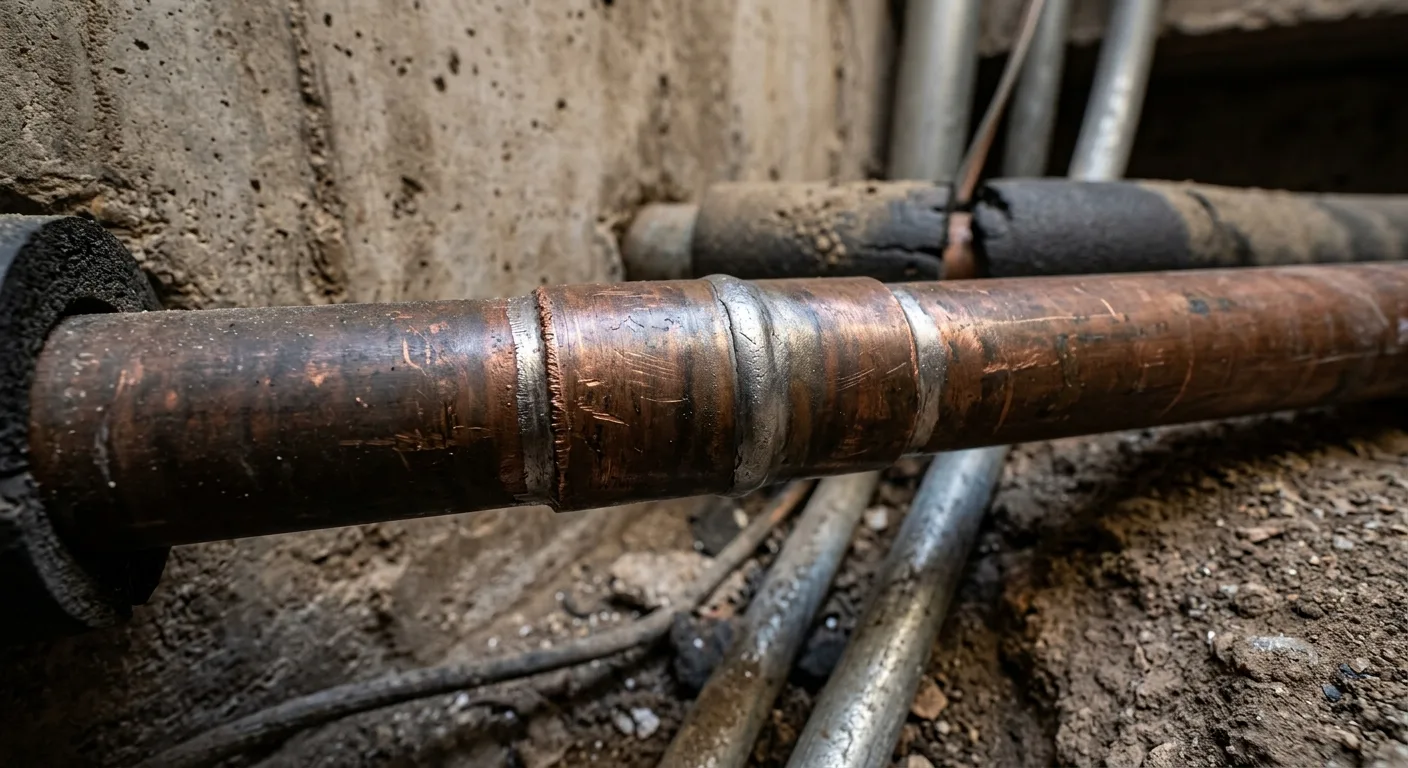
Phoenix-area water is hard. The Valley's water supply consistently tests at high mineral content levels, and that calcium buildup doesn't just affect your water heater and fixtures. It works on your copper supply lines from the inside out, wearing down pipe walls faster than you'd see in softer-water markets. Homes built in the 1970s through the 1990s across Glendale, Phoenix, and surrounding areas are hitting the age range where copper pinhole leaks become routine. If your home is in that era, a proactive leak detection inspection is worth doing before you find out the hard way. We serve communities throughout the Valley, including Litchfield Park and Buckeye.
Don't let a hidden water leak keep running up your bill and damaging your home while you wait. Max Plumbing LLC serves the greater Phoenix Valley with honest diagnostics, non-invasive detection, and repair work you can trust. AZ License #345009. 5.0 stars from 187 reviews. Available 24/7.
Call (480) 353-8080Or send us your info
Other plumbing work Max Plumbing LLC handles across the Phoenix Valley.
Need a licensed plumber fast? Max Plumbing LLC holds AZ License #345009, 5.0 stars from 187 reviews, and answers 24/7. Call [(480) 353-8080](tel:+14803538080) for a free estimate.
Learn morePlumbing pipe leaks repaired fast by a licensed AZ contractor. Burst pipes, corroded lines, hidden leaks. Licensed #345009. Free estimate. Call (480) 353-8080.
Learn moreNeed a plumber fast? Max Plumbing LLC is licensed (AZ #345009), 5-star rated, and available 24/7. Free estimates. Call [(480) 353-8080](tel:+14803538080) now.
Learn moreLicensed and local. Pick your city for details on service in your area.